STEDMAN IMPACT CRUSHERS, CAGE MILLS & PORTABLE CRUSHING PLANTS
Proven size reduction technology, application-focused engineering, and complete portable systems for aggregate, mining, industrial, and recycling operations.

Proven size reduction technology, application-focused engineering, and complete portable systems for aggregate, mining, industrial, and recycling operations.

Integrated Equipment Group, through its MAB Equipment division, is proud to represent Stedman Machine Company, an American manufacturer of impact crushers and industrial size reduction equipment with roots dating to 1834. Stedman machines are engineered for applications that demand dependable reduction, controlled finished product, rugged construction, and serviceable designs.
IEG combines Stedman crushing technology with equipment selection assistance, flexible acquisition options, factory replacement parts, and field support. For portable applications, Stedman crushers can also be integrated with custom TCI Manufacturing chassis, conveyors, structures, and material handling components to create a complete plant designed around the customer’s feed, production target, and operating environment.
Application Knowledge Backed by Testing and Technical Support
Selecting a crusher involves more than matching a published capacity. Material hardness, friability, abrasiveness, moisture, feed gradation, required output, and downstream equipment all influence how a machine will perform. Stedman supports equipment recommendations with full-size testing capabilities and a library of more than 10,000 material test reports, helping producers evaluate a process before committing to equipment.That combination of long-term engineering experience, application testing, and factory support gives customers a practical path from initial material evaluation through installation, startup, maintenance, and future rebuilds.
IEG and MAB Equipment bring Stedman’s crushing experience together with an understanding of complete aggregate and material processing systems. Our team reviews the application as a whole, including how material enters the crusher, how the finished product will be conveyed or screened, and how the equipment must fit the plant or portable spread.
High-Speed Impact Creates Efficient Size Reduction
An impact crusher breaks material by applying rapid, repeated force rather than squeezing it between compression surfaces. Feed enters the crushing chamber and meets a high-speed rotor. Breaker bars accelerate the material toward heavy-duty aprons or breaker plates, where additional impacts continue the reduction process until the material can exit at the required size.
This process can produce high reduction ratios and a well-shaped finished product, particularly when the feed is friable. Horizontal shaft impactors are commonly used for primary and secondary reduction, while vertical shaft impactors are frequently selected for fine crushing, manufactured sand, and product shaping.
Is Impact Crushing Right for the Material?
Impact crushing is most effective when the material fractures before it bends or deforms. Hardness alone does not determine suitability; abrasion, moisture, feed size, required gradation, and acceptable wear cost must also be considered. Highly abrasive materials may be better served by compression equipment even when they are technically friable.
IEG and MAB Equipment can coordinate application review and Stedman testing to help determine whether an impact crusher, cage mill, or another size reduction method is the best fit.
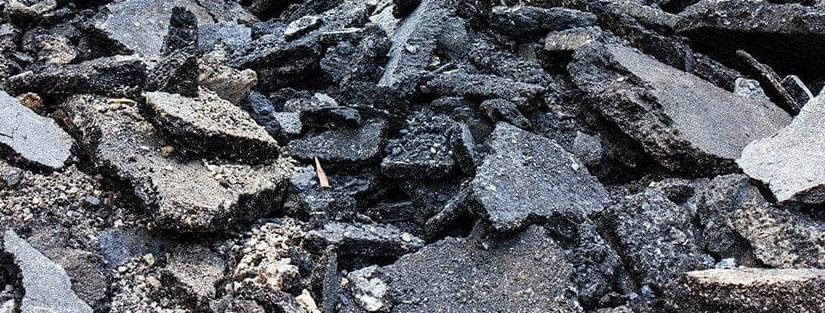
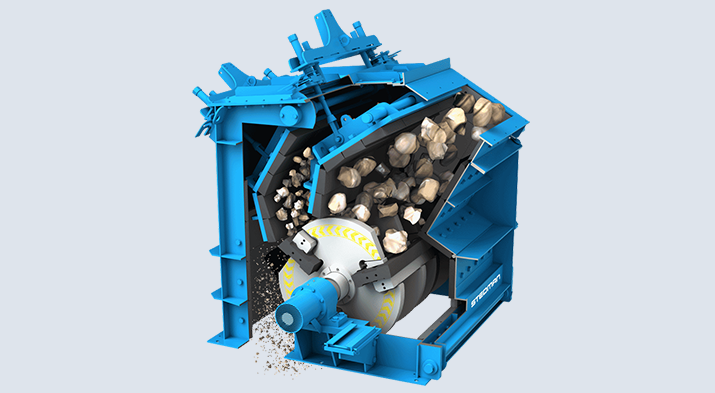
The Stedman Mega-Slam™ HSI is built for the first stage of impact crushing, accepting larger feed sizes than secondary impactors and reducing material for downstream screening or additional crushing. Rugged wear protection, hydraulic access, and adjustable aprons support demanding aggregate, recycling, mining, and industrial applications.

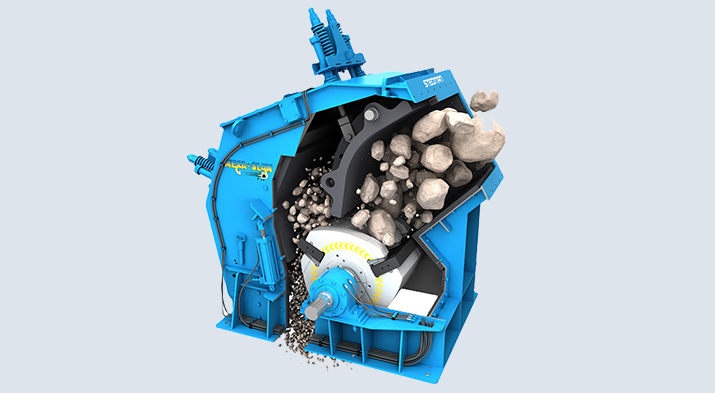

Maintenance access matters in primary crushing. The Mega-Slam design gives service teams practical access to breaker bars, aprons, liners, and gap settings so inspections and adjustments can be completed more efficiently. Final capacity and configuration depend on the feed, desired product, operating conditions, and complete plant design.
The Stedman Grand-Slam™ HSI is designed for secondary size reduction where product shape, gradation control, and dependable throughput are priorities. Adjustable breaker plates and selectable rotor speed allow the machine to be configured around the material and the finished product rather than forcing every application into the same operating setup.
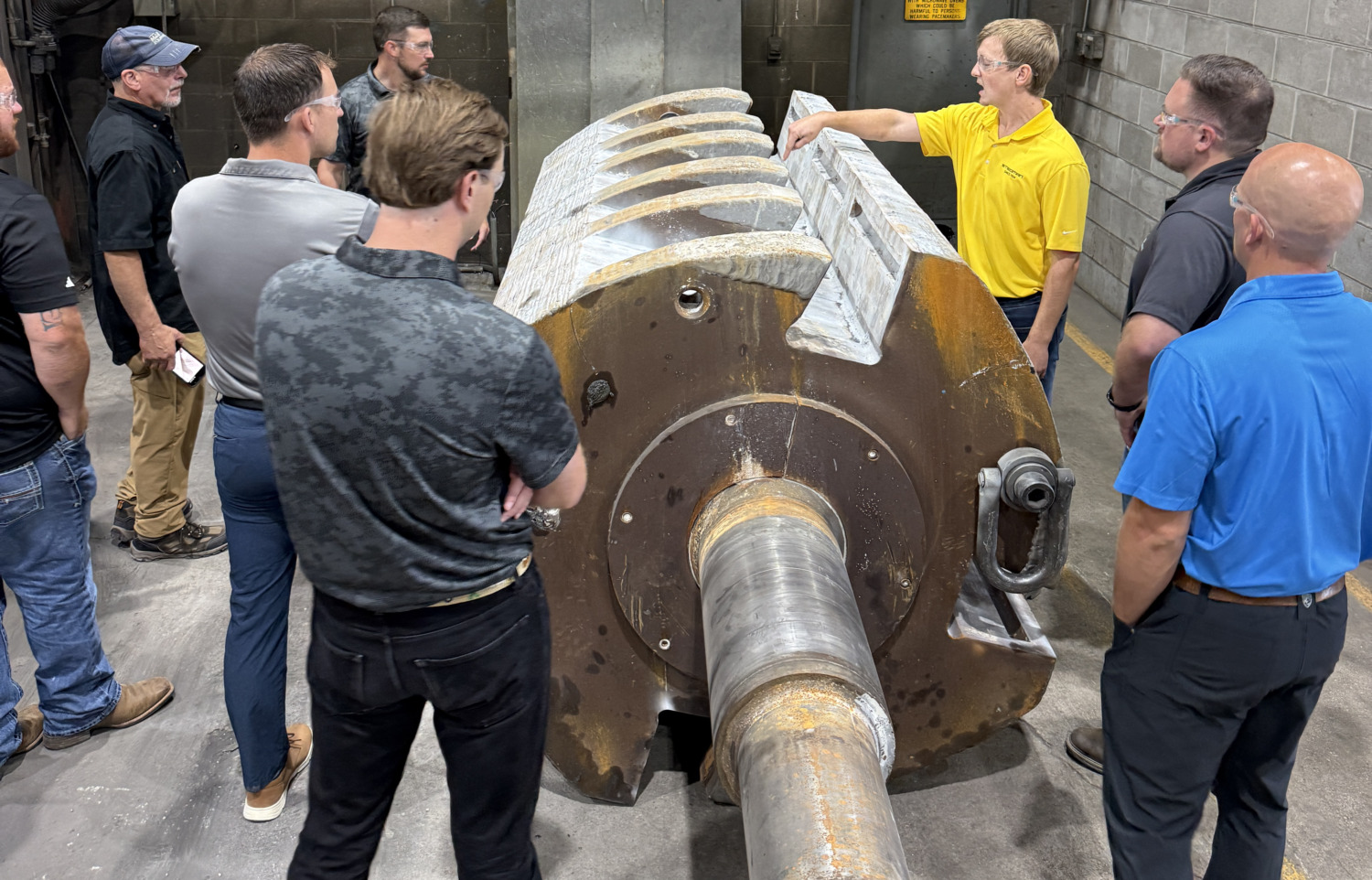
Feed size, throughput, moisture, abrasiveness, and the required top size all affect Grand-Slam selection. IEG and MAB Equipment review those factors along with downstream screening and conveying requirements to help configure a complete secondary crushing solution.
The Stedman V-Slam™ VSI applies high-speed vertical-shaft impact to coarse-to-fine reduction and product shaping. It is commonly used where a tight particle-size distribution, cubical shape, or manufactured sand product is required. A wide operating speed range gives producers flexibility to adjust the crushing action around changing feed and finished-product goals.
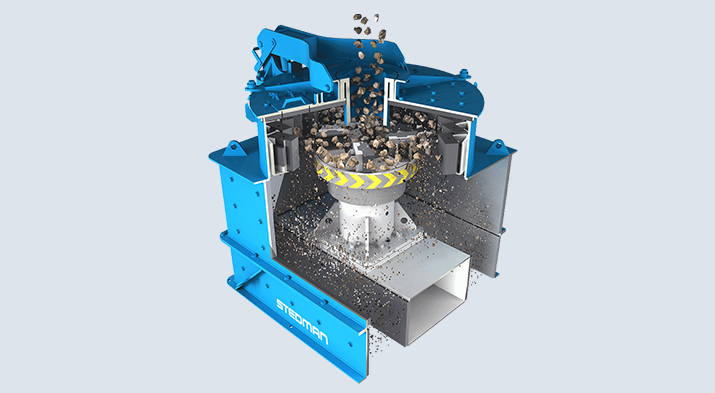
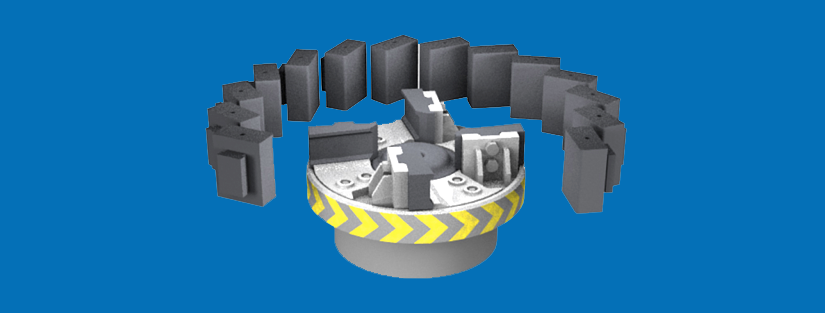
The V-Slam can be configured around the material and the desired crushing action. Application review helps determine rotor style, speed, wear materials, feed size, and supporting equipment so the VSI produces the required product without unnecessary recirculation or wear.
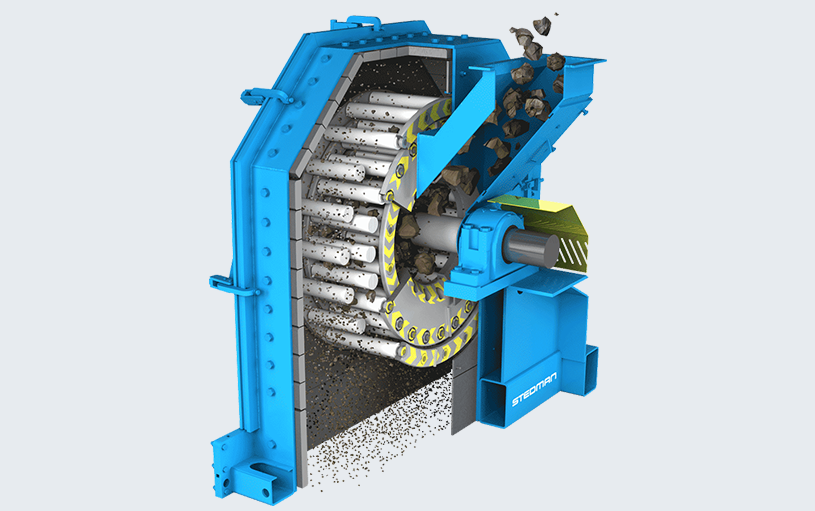
Stedman cage mills reduce material through repeated pin impact inside concentric rotating cages. Feed enters near the center of the machine, where successive rows of pins accelerate and fracture the particles. The number of cage rows, pin arrangement, rotational speed, and direction can be selected to achieve the required reduction and product consistency.Because cage mills rely on impact and can operate without the discharge screens used in many hammer mills, they are well suited to a range of agricultural, aggregate, mineral, fertilizer, coal, and industrial applications, including materials that may be wet or sticky.
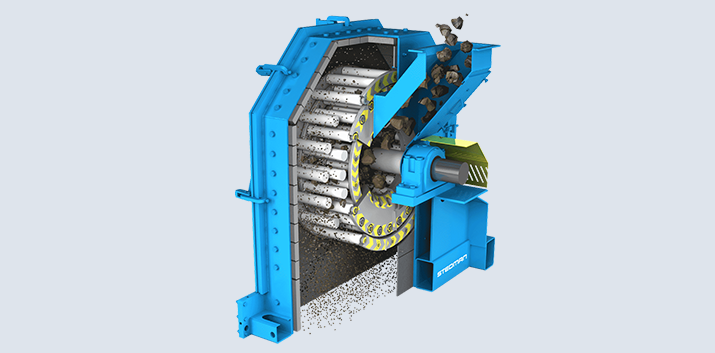
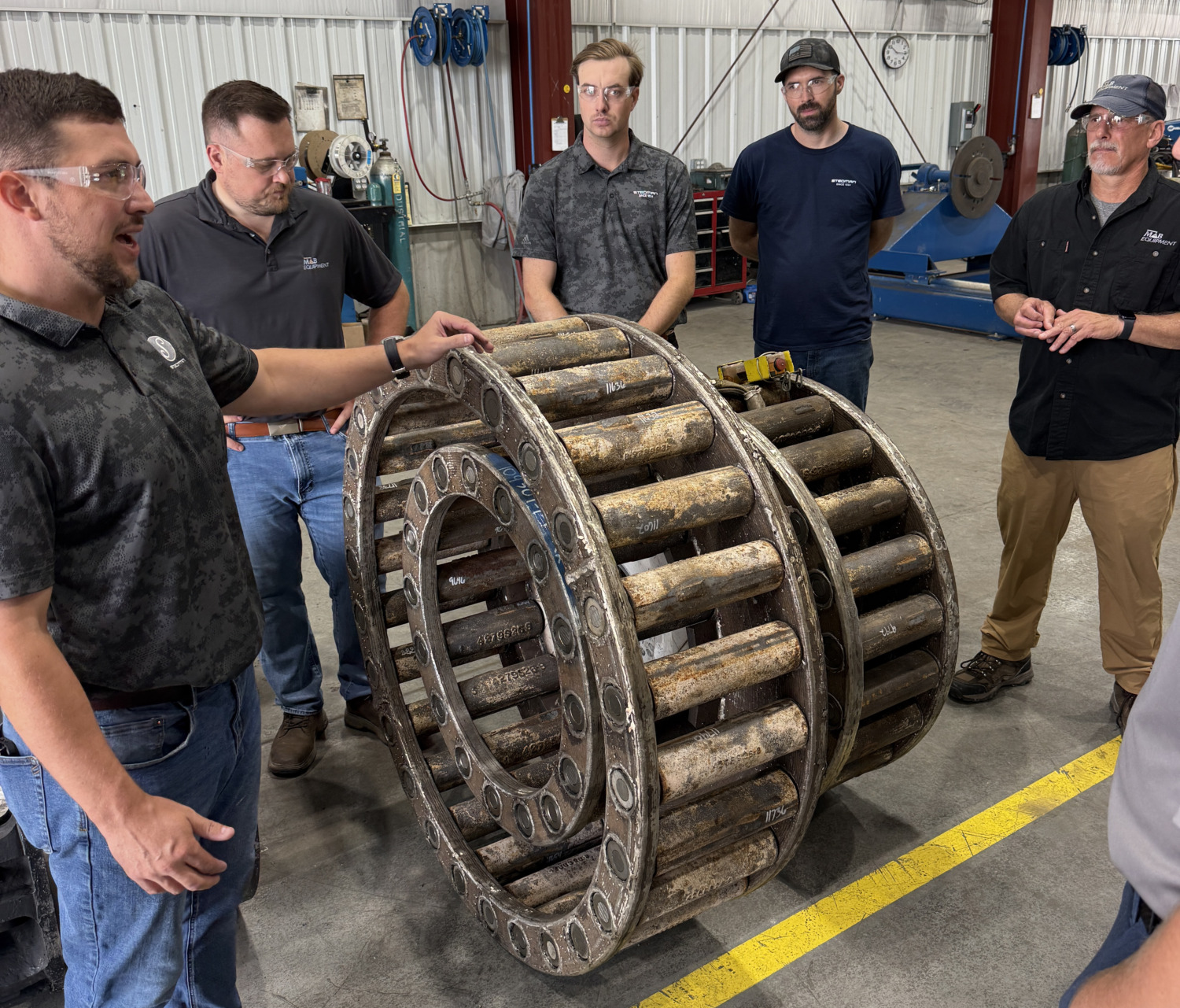
No single cage configuration is right for every feed. Moisture, abrasiveness, bulk density, incoming top size, production rate, and target fineness influence the proper machine and cage arrangement. IEG works with Stedman to evaluate these factors and recommend a cage mill suited to the process.
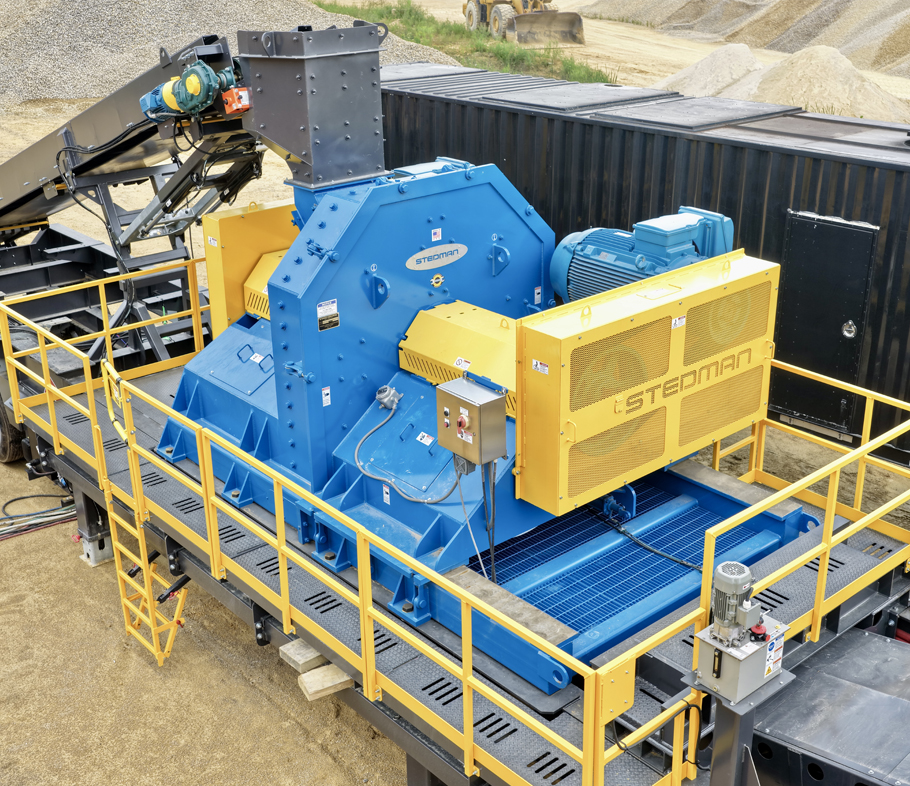
IEG can combine Stedman impact crushing technology with TCI Manufacturing’s custom portable chassis and plant engineering. Mega-Slam, Grand-Slam, and V-Slam machines can be incorporated into a portable system with the structures, conveyors, access platforms, and material handling components required by the application.Instead of adapting production goals to an off-the-shelf frame, the portable plant can be planned around crusher size, feed method, discharge height, transport requirements, maintenance access, electrical needs, and downstream equipment. The result is a coordinated system supported by one experienced equipment team.
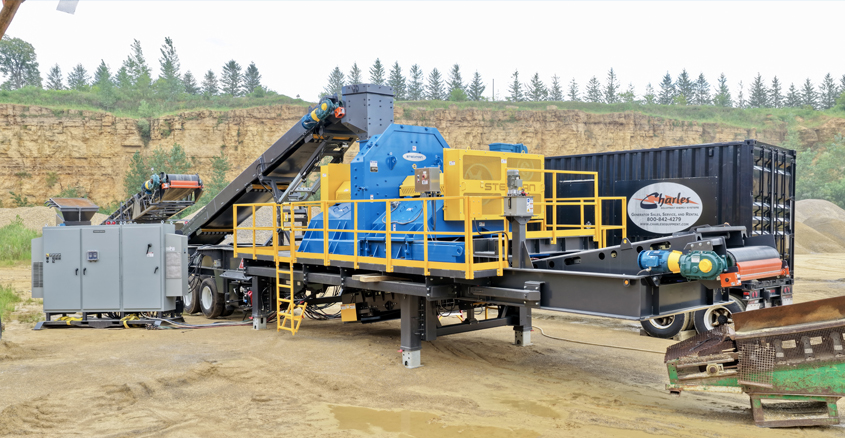
Review specifications, equipment features, application guidance, and testing information for Stedman’s primary impactors, secondary impactors, vertical shaft impactors, and cage mills.
The official video resources provide an additional look at machine construction and operating principles.
Production needs, project duration, and capital plans vary by operation. IEG offers multiple acquisition paths so customers can select an approach aligned with both operating and financial goals. Equipment availability and program eligibility vary by machine and application.
Invest in a long-term crushing solution configured for the plant, material, and production requirements.
Place equipment into service while preserving working capital, with eligible programs that may provide a path toward ownership.
Support temporary production, planned outages, contract work, or trial applications when suitable rental equipment is available.
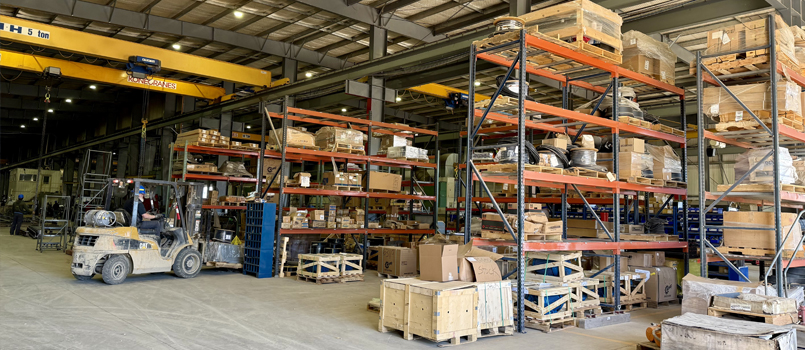
Crusher performance depends on proper setup, routine inspection, timely wear-part replacement, and access to knowledgeable support.
IEG and MAB Equipment help customers source genuine Stedman components and coordinate the technical or field resources needed to keep equipment operating safely and productively.
Stedman supports both current and older machines with replacement parts, inspections, maintenance guidance, custom fabrication, repairs, rebuilds, upgrades, installation, and commissioning.
Many machines are designed to be reconditioned, allowing customers to extend useful equipment life rather than replacing the entire unit.
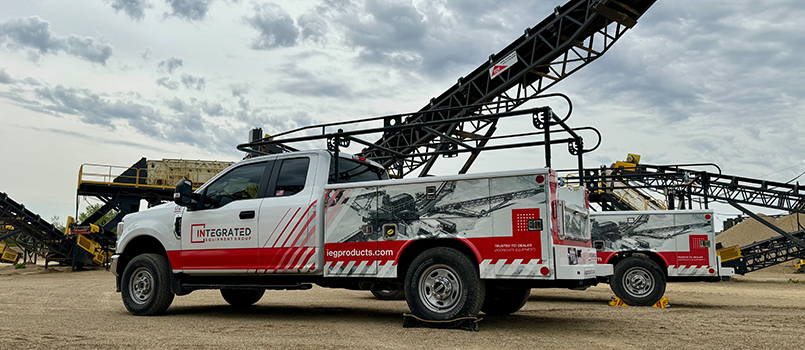
Genuine Stedman wear and replacement parts
Recommended spare-parts planning
Equipment inspections and maintenance guidance
Rotor, cage, and component rebuilds
Custom fabrication and repair
Replacement and upgrade assistance
Installation and commissioning support
24-hour factory parts and service availability
Responsive IEG and MAB field support
IEG, through its MAB Equipment division, supplies and supports core Stedman size reduction equipment for aggregate, mining, recycling, and industrial applications. Featured equipment includes Mega-Slam primary HSIs, Grand-Slam secondary HSIs, V-Slam VSIs, and Stedman cage mills. IEG can also integrate selected Stedman crushers into custom TCI portable plants.
The Mega-Slam is a primary horizontal shaft impactor designed to accept larger raw feed and perform the first stage of reduction. The Grand-Slam is a secondary HSI used to refine intermediate material, control gradation, and produce a cubical finished product. Feed size, capacity, and required output determine which machine and model is appropriate.
A V-Slam is commonly considered for fine crushing, manufactured sand, and applications where product shape or a tighter particle-size distribution is important. Rotor configuration, operating speed, wear materials, and feed preparation should be selected around the specific material and finished-product requirement.
Both use impact energy, but they apply it differently. An HSI or VSI uses a high-speed rotor to accelerate material against breaker surfaces or other material. A cage mill moves feed through concentric rows of rotating pins for repeated impact and controlled reduction. Cage mills are often used for finer products and can be effective on many wet or sticky materials.
Suitability depends on the machine and the material. Many cage mill configurations can process wet or sticky feed because they do not rely on a discharge screen. Impact crusher performance can be affected by excessive moisture or buildup, so the feed should be reviewed before equipment is selected. Testing may be recommended when material behavior is uncertain.
Yes. Stedman operates a full-size testing facility and maintains more than 10,000 historical material test reports. Testing can help evaluate reduction performance, capacity, power requirements, wear considerations, and achievable finished product before a final equipment recommendation is made.
Yes. IEG can integrate selected Stedman impact crushers with a custom TCI Manufacturing portable chassis. The complete design may include conveyors, structural supports, platforms, feed and discharge arrangements, and other components required for the application and transport plan.
IEG offers direct purchase, leasing, lease-to-own, and rental options based on equipment availability, application, and program eligibility. Our team can review the production timeline and financial priorities to identify a practical acquisition approach.
Yes. IEG and MAB Equipment provide replacement-parts assistance, inspections, maintenance and troubleshooting support, installation and commissioning coordination, repairs, rebuilds, and responsive field service. Stedman also maintains 24-hour factory parts and service availability.
Useful application details include:
Material type and source | Maximum feed size and expected gradation | Moisture, hardness, friability, and abrasiveness | Required capacity | Target product size and shape | Current plant layout and downstream equipment | Stationary or portable installation requirements | Known production, wear, or maintenance challenges
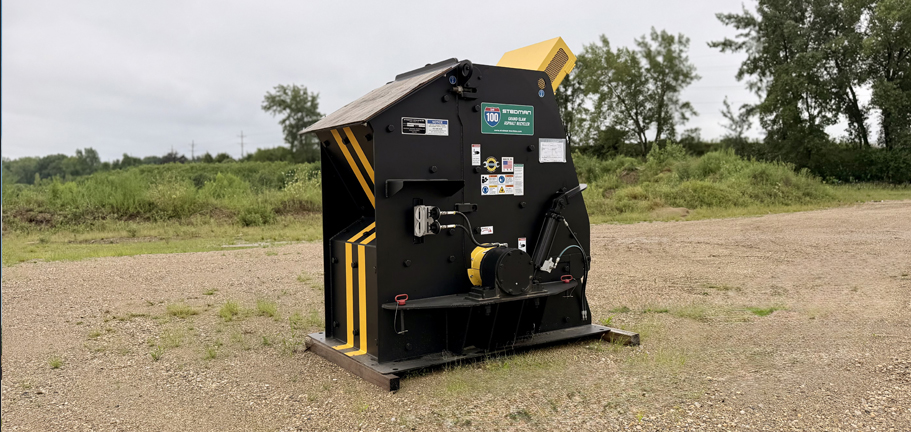
Whether you are replacing an existing impact crusher, evaluating a cage mill, improving a recycling circuit, or planning a complete portable crushing plant, IEG and MAB Equipment are ready to help. As an authorized Stedman Machine Company dealer, we combine application-focused equipment recommendations with flexible acquisition options, TCI portable plant integration, genuine factory parts, and responsive technical and field support.