TCI AGGREGATE PROCESSING & MATERIAL HANDLING
EQUIPMENT
Custom-engineered conveyors, feeding systems, high-frequency screens, and portable wash plants built to improve material flow, product quality, and production efficiency.

Custom-engineered conveyors, feeding systems, high-frequency screens, and portable wash plants built to improve material flow, product quality, and production efficiency.

Integrated Equipment Group provides TCI Manufacturing equipment for aggregate, quarry, mining, recycling, and material processing operations. TCI is known for application-specific equipment and fabricated systems that bring feeding, conveying, screening, and washing into a coordinated production process.
IEG is concentrating on four versatile TCI product lines: conveyors, feed hoppers and bins, high-frequency screens, and portable wash plants. Our team helps customers evaluate material characteristics, capacity goals, site conditions, mobility requirements, and downstream equipment before recommending a configuration. We also provide flexible acquisition options, replacement parts, technical assistance, and field support.
Practical Engineering for Complete Material Processing Systems
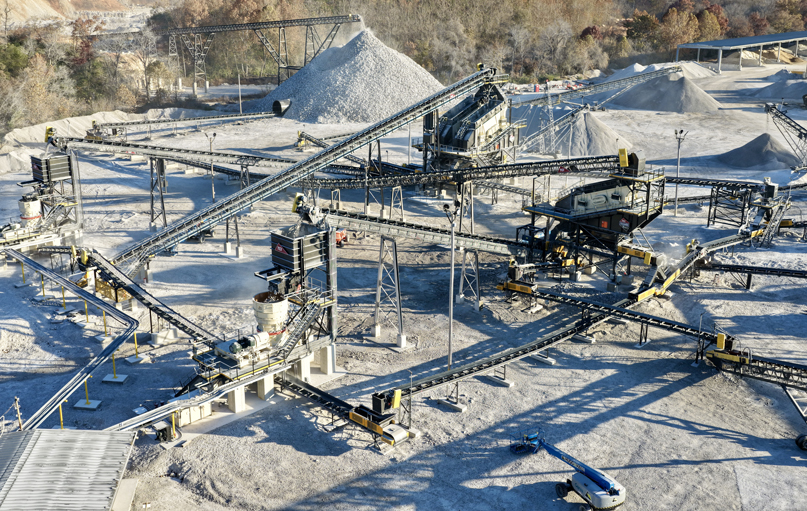
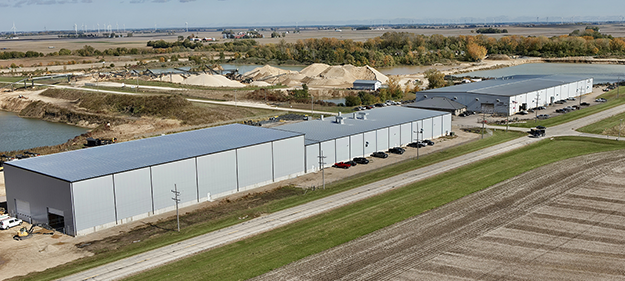
Aggregate equipment performs best when each component is sized and positioned as part of the overall process. TCI combines heavy-duty fabrication with configurable equipment designs, allowing conveyors, feed systems, screens, wash plants, structures, and portable chassis to be planned around the actual application instead of forcing the operation into a one-size-fits-all package. This systems-based approach supports more consistent material flow, easier maintenance access, efficient setup, and a cleaner transition between processing stages. Portable and stationary options give producers flexibility for permanent facilities, expanding sites, contract work, and changing production demands.
IEG looks beyond the individual machine. We review how material is received, metered, transferred, separated, washed, stockpiled, and moved through the site. That broader view helps customers select TCI equipment that fits the current operation and supports future production goals.
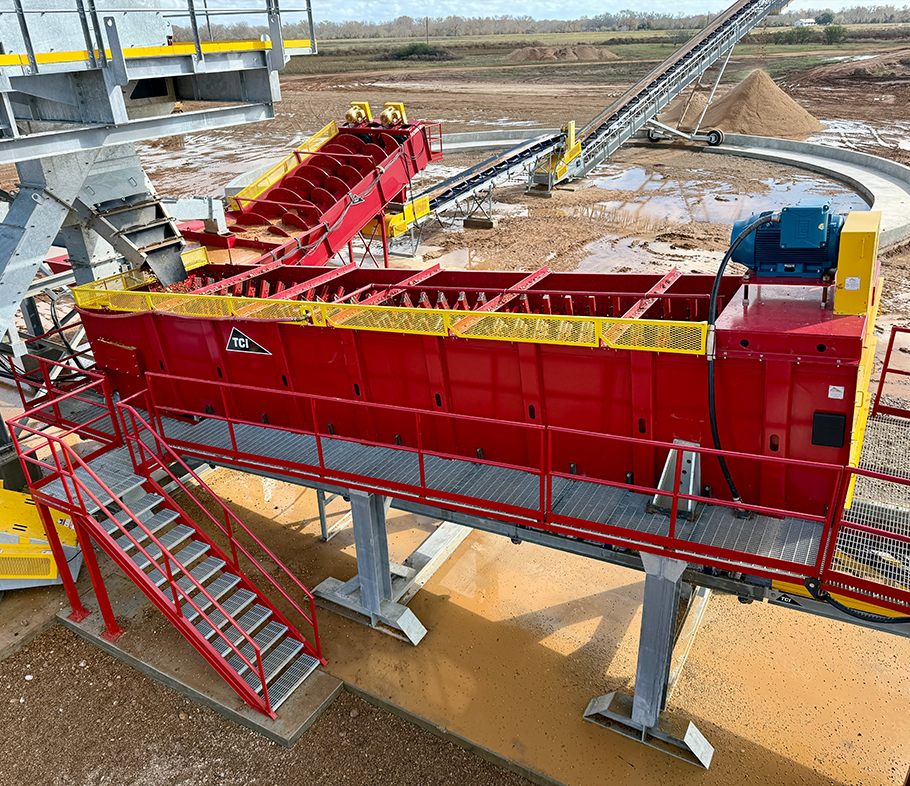
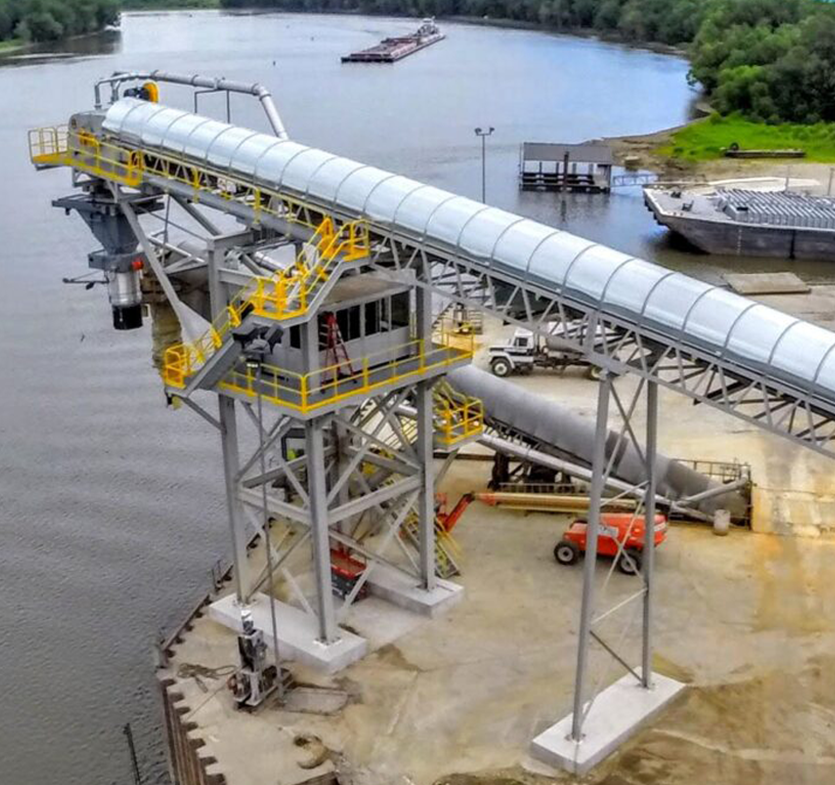
TCI custom structures are designed around the specific requirements of each aggregate and material-processing operation. From individual support structures and equipment platforms to complete custom plants, TCI combines engineering and in-house fabrication to create solutions that fit the equipment, material flow, production goals, and physical constraints of the site.


Structural requirements depend on equipment dimensions, material characteristics, production capacity, transfer-point elevations, storage needs, site conditions, and maintenance access. IEG works with customers and TCI to evaluate these requirements and develop a coordinated solution that supports safe access, efficient material movement, and reliable long-term operation.
TCI high-frequency screens, commonly associated with PEP screening technology, apply high-speed, low-stroke vibration directly to the screen media. This aggressive action helps separate fine dry material efficiently and can remove fines before or after another screening stage. Applications include fractionated or recycled asphalt, chip sizing, fines removal, agricultural lime, and manufactured sand.
Capacity depends on feed gradation, moisture, bulk density, percentage of oversize, deck opening, screen media, and operating settings. IEG works with TCI to review the complete application and help customers choose the screen size, deck arrangement, media, and vibration configuration required for the desired cut.
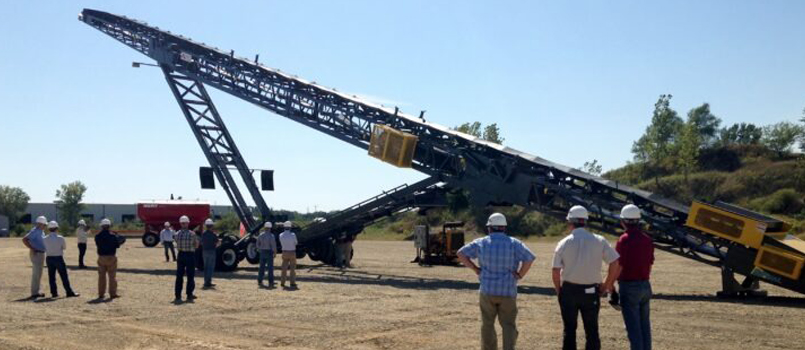
TCI conveyors move aggregate and processed material efficiently between plant stages or into stockpiles. Portable and stationary configurations can be selected around required capacity, material type, transfer distance, discharge height, site layout, and mobility needs. Custom engineering allows the conveyor to work as an integrated part of a new system or as an improvement to an existing plant.
Belt width, speed, incline, loading condition, bulk density, lump size, and required tons per hour all affect conveyor selection. IEG reviews those variables along with stockpile goals and plant geometry to help determine an efficient, durable configuration.
TCI portable crushing plants combine heavy-duty construction, mobility, and application-specific engineering. Each plant can be configured around jaw, cone, horizontal shaft impactor, or vertical shaft impactor technology to support primary, secondary, and recycling applications. TCI can also integrate customer-supplied crushers and motors into a custom plant layout.
Crusher selection depends on the feed material, maximum lump size, abrasiveness, required reduction ratio, desired product gradation, capacity, and whether the equipment will perform primary, secondary, or recycling work. IEG works with customers and TCI to evaluate these conditions and configure a crushing plant that supports consistent production, efficient material flow, and practical maintenance access.
TCI portable wash plants combine mobility with application-specific washing components for sand, gravel, crushed stone, and other aggregate products. Customers can select a preferred screen and screw arrangement or use TCI sand screws to create a coordinated plant that washes, separates, classifies, and dewaters material at the production site.
Wash plant performance depends on feed gradation, clay content, water supply, required products, waste-water management, and target capacity. IEG reviews those conditions with the customer and TCI so the screen, screws, conveyors, slurry handling, and controls work together as a complete plant.
Feed hoppers and bins create a stable transition between loading equipment and the processing circuit. By providing surge capacity and regulating discharge, a properly configured feeding system can reduce interruptions, limit downstream surges, and help crushers, screens, conveyors, and wash equipment operate more consistently.
Truck or loader cycle, bucket size, feed gradation, moisture, bridging potential, desired live capacity, and discharge rate should all be considered. IEG and TCI use those details to configure a feeding system that supports production without creating unnecessary bottlenecks.
A feed hopper can meter material onto a transfer conveyor, a high-frequency screen can remove fine material, a portable wash plant can clean and classify finished products, and radial stackers can build organized stockpiles. Planning these components together helps reduce transfer problems and avoid mismatched capacities.
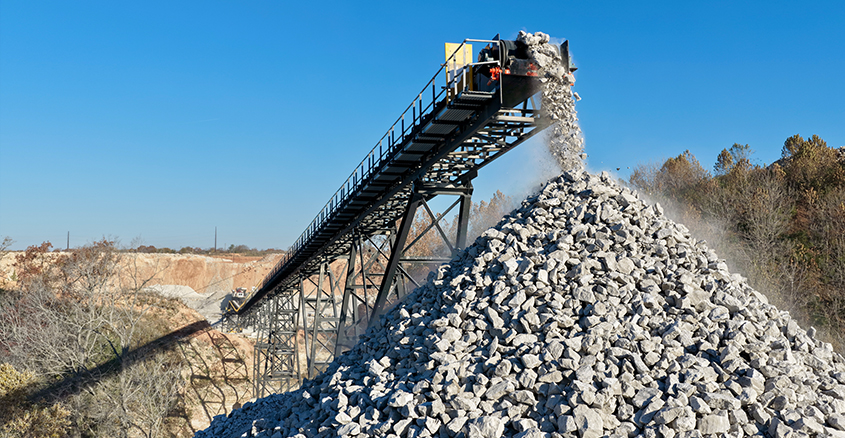
TCI equipment supports a wide range of material processing operations. IEG focuses each recommendation on the material, required products, site conditions, production targets, and long-term operating economics.
Feed, convey, screen, wash, classify, and stockpile limestone, sand, gravel, crushed stone, manufactured sand, and specification aggregate products.
Process fractionated and recycled asphalt materials, remove fines, size chips, and manage consistent material flow for asphalt production.
Move and separate recycled concrete and construction aggregate while reducing rehandling and improving finished-stockpile control.
Support feeding, conveying, fine screening, washing, and stockpiling for mineral and mining applications configured around material behavior and capacity.
Combine portable washing, classification, dewatering, conveying, and stockpiling to produce clean, marketable sand and gravel products.
Use high-frequency screening to recover fine products, create controlled cuts, and produce agricultural lime or specialty aggregate gradations.
A productive system starts with a clear understanding of the feed, desired products, throughput, site layout, utilities, and mobility requirements. IEG works with TCI to review these factors and identify the conveyor, feeding, screening, washing, or integrated plant configuration that best supports the operation.
Production needs, project duration, and capital plans vary by operation. IEG offers multiple acquisition paths so customers can select an approach aligned with both operating and financial goals. Equipment availability and program eligibility vary by machine and application.
Invest in a long-term crushing solution configured for the plant, material, and production requirements.
Place equipment into service while preserving working capital, with eligible programs that may provide a path toward ownership.
Support temporary production, planned outages, contract work, or trial applications when suitable rental equipment is available.
Material processing performance depends on proper setup, belt alignment and tension, screen media selection, timely wear-part replacement, lubrication, water management, and routine inspection. IEG provides replacement-parts assistance and coordinate technical or field resources to help customers keep TCI equipment operating safely and productively.
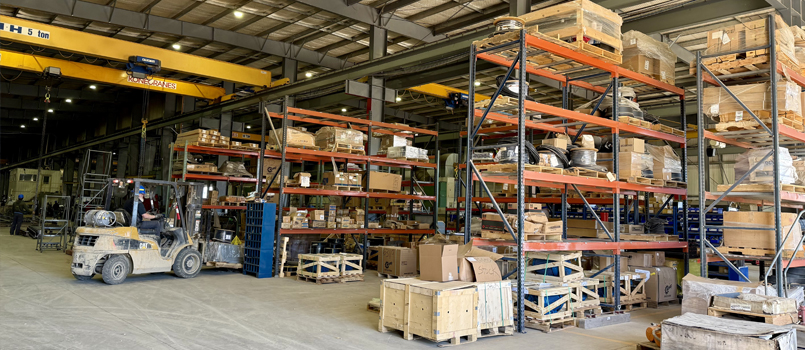
Replacement and wear parts assistance
Conveyor belting, idlers, pulleys, and related components
Feeder, wash plant, and sand screw components
Recommended spare-parts planning
Installation and commissioning assistance
Inspection, maintenance, and troubleshooting support
Equipment modifications and upgrade planning
Responsive IEG field service
IEG focuses on four TCI product lines: conveyors, feed hoppers and bins, high-frequency screens, and portable wash plants. These products can be supplied individually or configured as part of a coordinated material processing system.
Yes. TCI offers portable and stationary conveying solutions, including radial stackers, transfer conveyors, and custom conveyor systems. The proper configuration depends on material, capacity, transfer distance, discharge height, stockpile requirements, and site layout.
Sizing begins with the loading method, truck or loader cycle, bucket volume, desired surge capacity, material gradation, bulk density, moisture, bridging potential, and required discharge rate. IEG reviews those details with TCI before recommending the hopper, feeder, drive, and discharge arrangement.
TCI high-frequency screens are designed for dry, fine-material separation. Common applications include fines removal, chip sizing, fractionated or recycled asphalt, agricultural lime, and manufactured sand. They can be installed before or after conventional screening equipment to improve product separation and overall production.
High-frequency screening uses rapid, low-stroke vibration applied directly to the screen media. TCI systems can operate at up to 3,600 RPM, creating aggressive media movement that helps fine particles pass through the openings efficiently. Conventional screens typically use a larger stroke and lower operating frequency to move the entire screen box.
Yes. TCI provides portable and stationary models in single- and double-deck configurations. Electric and hydraulic vibration options are available, and screen size, media, deck arrangement, and controls can be selected around the application.
Configuration varies, but available features include triple-deck screens, twin 36-inch or 44-inch sand screws, hydraulic run-on lifting legs, hydraulic lifting slurry boxes, reversing cross conveyors, roll-away overs chutes with blending gates, and electric switchgear. IEG helps determine which components are required for the feed and finished products.
Yes. TCI equipment can be integrated into a complete portable or stationary process. Feed hoppers, conveyors, screens, wash plants, stockpiling equipment, structures, access platforms, and controls can be planned together to create consistent material flow and matched capacities.
IEG offers direct purchase, leasing, lease-to-own, and rental options based on equipment availability, application, and program eligibility. Our team can review the production timeline and financial priorities to identify a practical acquisition approach.
Yes. IEG assists with replacement and wear parts, screen media, conveyor components, feeder and wash plant parts, setup, inspections, maintenance, troubleshooting, equipment modifications, and responsive field support.
Useful application details include:
Material type, source, and bulk density | Feed size, gradation, moisture, and clay content | Required tons per hour | Desired products and separation sizes | Loading method and surge requirements | Current plant layout and transfer elevations | Water, electrical, and hydraulic availability | Portable or stationary installation requirements | Known production, stockpiling, or maintenance challenges
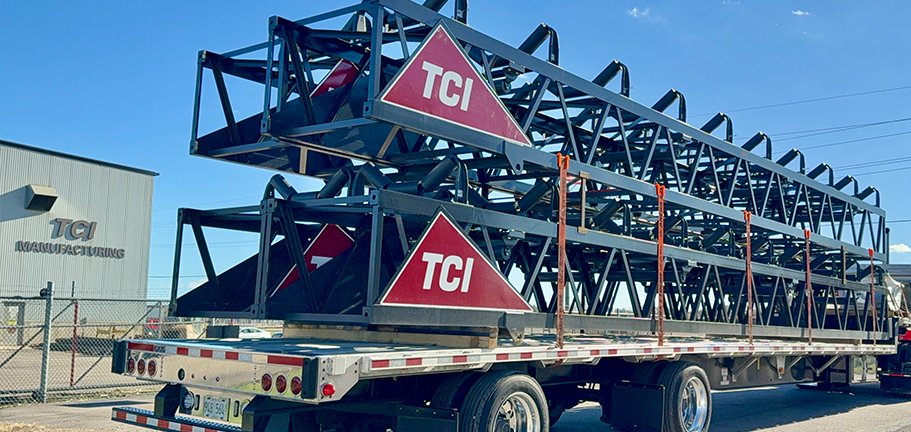
Whether you need a single conveyor, a new feed hopper, additional fine-screening capacity, or a complete portable wash plant, IEG is ready to help.
As an authorized TCI Manufacturing dealer, we combine application-focused equipment recommendations with flexible acquisition options, replacement parts, technical assistance, and responsive field support.